IT & Connectivity Support - Manufacturing Business
The Context
Manufacturing companies operating in rural locations often face a distinct set of technology challenges.
In combination, limited connectivity options, legacy infrastructure, and a need to work with increasingly-cloud based systems can constrain productivity and significantly limit growth.
This case centres on a fabrication business operating from an isolated site in Aberdeenshire. The organisation depended on design software, networked systems and specialist machinery to support daily operations, but its IT environment had evolved incrementally over time, and was straining to accommodate the needs of its increasingly-frustrated workforce.
We were initially engaged on a bank of hours basis; providing flexible support and taking on responsibility for several domain services. As the engagement progressed, it became clear that connectivity limitations and ageing infrastructure were creating operational inefficiencies and unnecessary risk, so we were asked to expand our remit and help the client build a stronger IT estate.
This case study has been fully anonymised to protect our client. If you’d like to learn more - or want to be put in touch with the client directly - please get in touch.
The Challenge
The most immediate constraint was internet performance.
The business relied on a copper-based ADSL connection delivering less than 10 Mbps download and approximately 2 Mbps upload. This connection was insufficient for modern workloads and directly affected productivity across the organisation.
Further assessment identified additional structural issues within the IT estate. The absence of a resilient backup connection meant that any outage resulted in significant additional costs. Network hardware was outdated and relied on legacy encryption standards, while a combination of ADSL and 4G connectivity caused persistent reliability issues for user devices.
In parallel, backup infrastructure was approaching warranty expiry, and there was limited visibility of software risk at the workstation level. During routine operations, critical design files were being stored locally on individual machines, exposing the business to significant risks.
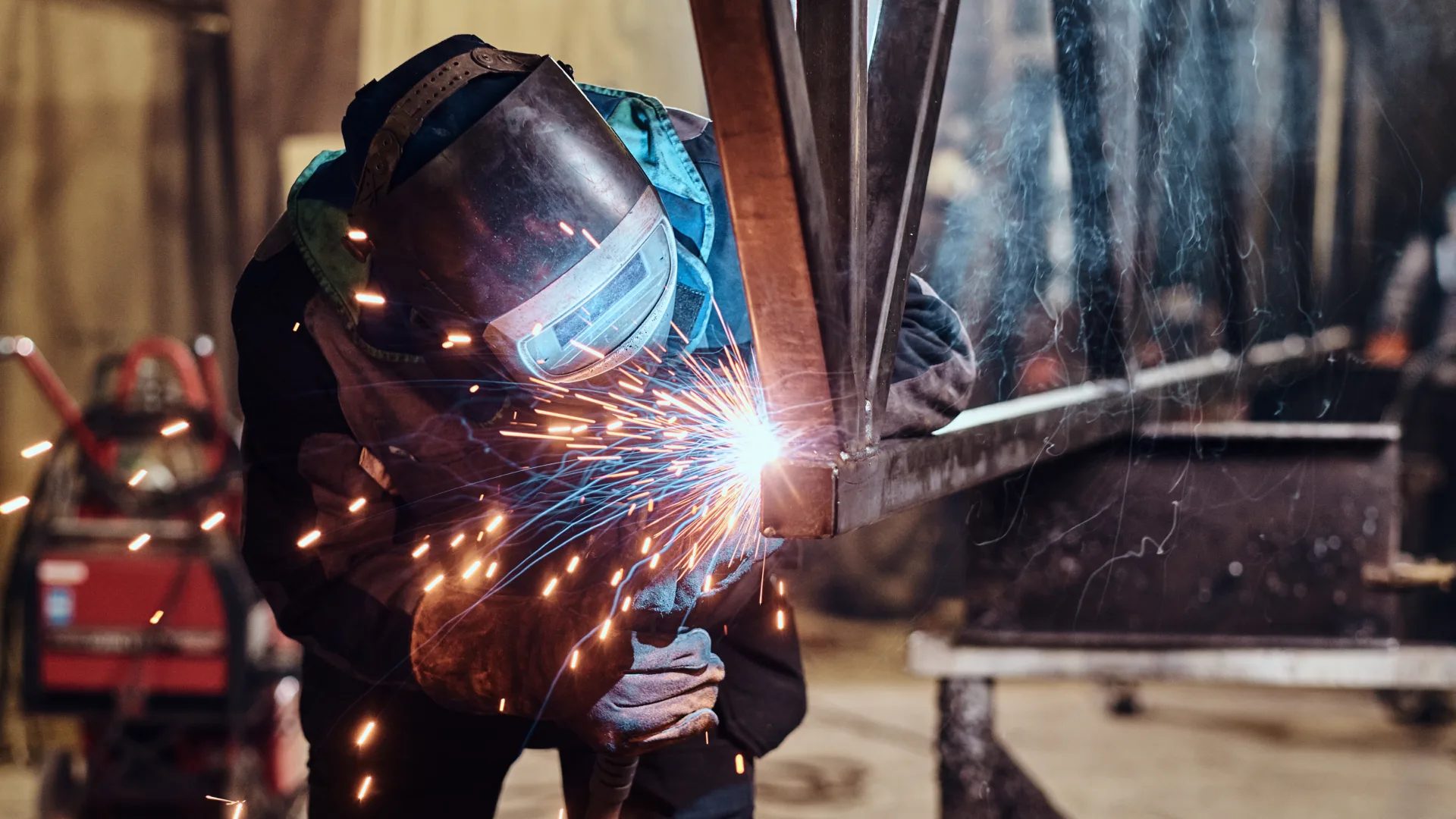
The organisation also relied on a 14-year-old computer to operate a plasma cutting system. Due to its central role in production, this system had historically been left untouched, despite growing concerns around security, compatibility and long-term maintenance.
The Solution
We start every engagement with a full-system audit that helps us profile an estate and spot any problems.
Once our engineers had conducted this audit, we adopted a phased and pragmatic approach that prioritised continuity of operations, while addressing immediate risks.
Improving connectivity
To resolve the immediate connectivity constraint, Starlink was deployed as a temporary solution while fibre internet was provisioned by the local provider. This significantly improved performance and removed a major barrier to productivity. A Meraki firewall was introduced to improve security controls, traffic management and network visibility.
Once we’d worked with a local ISP to secure full fibre connectivity, it was implemented as the primary connection, and Starlink was retained as a secondary, backup line to provide resilience. This decision proved critical when external damage later disrupted the fibre connection, allowing the business to maintain operations without interruption.
Modernising network infrastructure
Once the immediate connectivity problems were patched, we moved to upgrading network infrastructure across the site. Switches and wireless access points were replaced to enable the business to benefit from improved speeds, and to remove outdated encryption standards. This created a stable and secure foundation for device connectivity and future growth.
Microsoft 365 Implementation
At the platform level, we implemented Microsoft 365 to improve collaboration support scalability and close any security gaps across the business, enabling teams to work together more efficiently.
Extremely flexible and secure, Microsoft 365 is normally our go-to solution for businesses that are serious about growth.
Routine Improvements Across The Business
A routine site visit identified a significant risk associated with an unsupported CAD application running on an engineering workstation, so we also implemented full workstation backup to protect critical data and reduce reliance on individual devices.
In parallel, hardware warranty expiries and Windows 10 end-of-life risks were identified early, allowing replacements to be planned and executed in a controlled manner.
At the time of writing, our team is also undertaking a research and development initiative to assess whether the legacy system controlling this client’s plasma cutter can be safely upgraded, balancing modern security requirements with operational continuity.
The Result
The organisation in question now operates with a significantly improved level of resilience and control across its IT environment.
Connectivity is reliable and protected by automatic failover. Network infrastructure is secure, modern and capable of supporting current and future workloads. Data protection has been strengthened through centralised backup and improved visibility.
Importantly, the business now has a clearer understanding of why change is necessary. Technology investments are aligned with operational risk, productivity and continuity, rather than being perceived as arbitrary or reactive.
Through an ongoing relationship with our team, the organisation has gained a structured, long-term approach to IT management that supports both day-to-day operations and future planning.